Why Are Conferences Straight-Up Ignoring the NCAA's Chief Doctor?

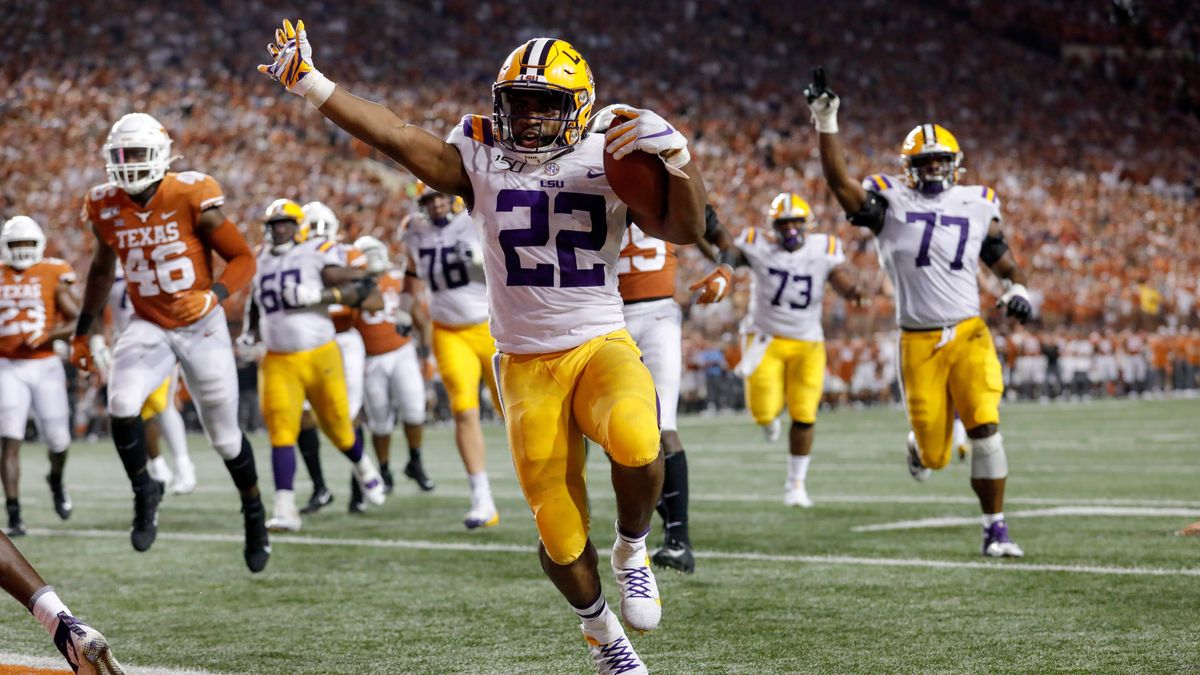 Several NCAA conferences appear to be moving forward with fall sports, despite warnings from the NCAA’s top doctor. credits: | source: Getty Images
 The Big 12, ACC, and SEC remain adamant on playing sports this fall, despite the NCAA’s own top doctor suggesting otherwise.
NCAA Chief Medical Officer Brian Hainline went on CNN Sunday to give a dire warning for the future of fall sports in 2020. What should’ve been a bombshell statement was lost in the abyss of early morning cable news.
“The pathway to play sports is so exceedingly narrow right now,” Hainline said. “Everything would have to line up perfectly” in order to play.
Clearly, this was a message to the conferences who will do anything to play, regardless of the medical advice.
To these NCAA member schools, what’s the point of having a chief medical officer if you’re going to ignore him?
It does not make sense.
While everyone was sleeping, Hainline had a few more comments that should keep every college coach up at night.
“We’re not in a place today where we could safely play sports,” the medical officer warned.
The problem is, colleges are already playing sports. Training camps and intrasquad scrimmages have started. Dozens of teams have become infected. And, oh yeah, most students are just beginning to physically return to campus. Which, according to Hainline, could prevent college sports from functioning.
And if we can’t hold these contests today, what makes us think we can play football next month with more students and without a bubble?
Fall athletes who have been on campus, however, are beginning to see the flaw in the idea of a “safe” campus living.
Pair that with viral clips of students partying. Will we honestly be surprised when a college team shuts training down?
Yes, schools test and trace their athletes, but not nearly enough to sustain a season, according to Hainline, who also serves as a professor of neurology at Indiana University and NYU. He argued that there’s “no way” forward if testing remains stagnant.
But even if testing ramps up and the new saliva-based method produces the kind of rapid results this country desperately needs, that solution alone will not solve the hurdles college athletic programs will likely face.
Infectious disease experts and cardiologists are becoming increasingly concerned about the long-term implications of COVID on heart health. Their worry is the disease could jumpstart a potentially deadly heart condition called myocarditis, a condition that has killed professional athletes.
So what have programs done to address Hainline’s staggering claims? Nothing. And it will likely stay that way.
In another world, perhaps this news would be a trending topic in sports, alarming fans, players, and coaches alike.
Instead, we flock to sign petitions allowing student-athletes to play in a pandemic while remaining willfully ignorant to the scientists tasked to protect the players.
Related


Britney’s HCL Saga Shows How Murky High Stakes Poker Is
5 Fights the UFC Should Make After Rosas Jr. vs. Barcelos

- MLB Playoff Futures: Three Best Bets for the 2026 Postseason
- Eagles vs. Bears MNF Week 3 Betting Total Picks and Predictions
- Rams vs. Broncos Sunday Night Football Best Betting Pick
- MLB Best Bets: Three Picks for the Final Day of the Regular Season
- UFC Vegas 121 Underdogs: Why Alatengheili Is Worth a Look at +300
- UFC Vegas 121 Predictions: Best Bets for Saturday’s Fight Card
- UFC Vegas 121 Line Movement: Two Betting Favorites Have Completely Flipped